
Sweater. Jumper. Pullover. No matter your preferred nomenclature, this iconic piece of menswear has remained an important part of mens’ wardrobes for over a century. The sweater is as versatile as it is classic, featuring dozens of different patterns, materials, and styles. This article will dive into the history of some of the most important varieties of sweaters, and explain why they should hold a special place in your heart, and your wardrobe.
The Cable Knit Sweater
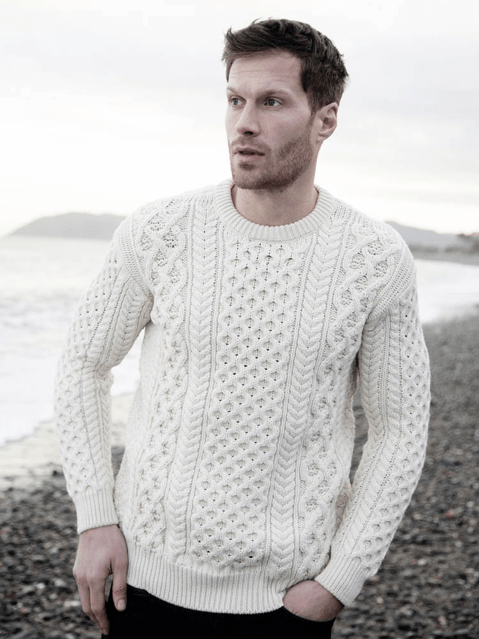
The cable knit sweater, also called a Fisherman’s Sweater, originated in Ireland, from tough, seafaring men who needed to stay warm and dry on the water. They are one of the chunkier varieties of sweater, and usually appear in cream, but these days can also be found in navy, grey, and white. A cable knit sweater pairs well with a musky cologne and a rare steak. It says, “I like my scotch neat, and my books bound in leather.” A true fall/winter staple, dress one up with a pair of wool trousers, over an oxford shirt, or dress it down with some dark denim and boots.
The Cashmere Sweater
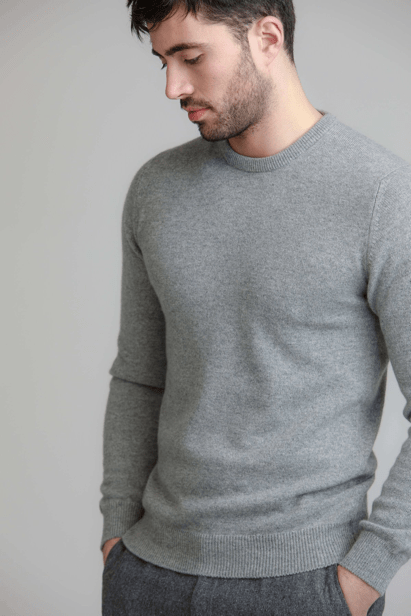
Sleek and sophisticated, like an Italian sports car.
If the cable knit sweater is a bracing shot of room temperature whisky, the cashmere sweater is a finely aged cognac. Known for its soft, silky texture, as well as its price, cashmere wool comes from a specific breed of goats. Cashmere sweaters are sought after, as they are warm, comfortable, and refined, and often act as a status symbol. However, please be aware of the environmental impact that cashmere production carries. Cashmere goats tend to destroy the grasslands they inhabit, turning it to desert before moving on to a new area. If you’re looking to purchase one, check online resale websites such as Grailed or eBay, or in second hand stores, before buying new. Cashmere sweaters don’t lend themselves to an overly casual look, but can be dressed down with wool trousers and casual dress shoes, such as loafers or derbies, or layered underneath a blazer, for a well-insulated formal look.
The Turtleneck Sweater
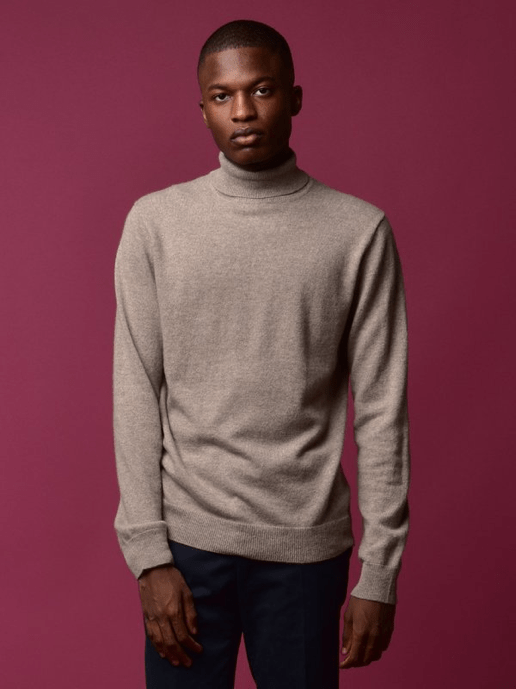
Smart and just a bit cynical, like your 10th grade English Teacher.
The Turtleneck, or polo neck sweater, started as a functional piece for the working class in England, before being adopted by artists, academics, and counter-culture intellectuals across Europe. In the United States, they enjoyed a brief stint of popularity among the middle class of the 1920’s, before becoming a smart-casual replacement for the standard shirt and tie of the 1950’s, a rejection of the white collar status quo. Sport a turtleneck if you have a chiseled, inverted v-shaped torso, if you like to read William S. Burroughs in local coffee shops, or if your neck is covered with hickeys, and you have a lunch date with your mother at 1. However, strict guidelines for how to wear a turtleneck would, in my opinion, go against everything the garment stands for, so wear it however you want.
The Breton Stripe Sweater

Chic and Bohemian, like your aunt who lives in Seattle.
The Breton stripe sweater (marinière) originated in 18th century france as a tight-knit inner layer to keep fishermen warm, before being adopted by seamen in the French Navy. They remained in style throughout the 20th century as an homage to those sailors. Coco Chanel also helped the Breton stripe sweater to gain popularity in women’s fashion, continuing the emancipation of the female body from society’s expectation of wearing dresses and skirts. The Breton stripe sweater is traditionally found in white with navy stripes, but can often be found in different shades, or even reversed, with a dark body and light stripes. This piece leans more casual; pair it with dark jeans or chinos for a more presentable look, or with light denim and white sneakers for a sharp, casual outfit. Pairs well with a plain croissant and a long cigarette.
The Cardigan
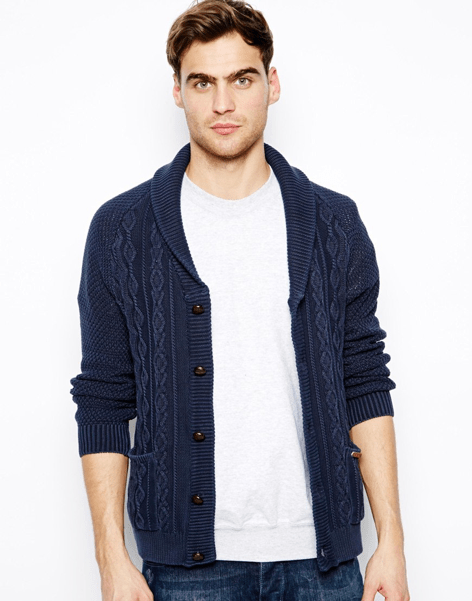
Last but not least, the cardigan. Perhaps the most iconic of all sweaters, the cardigan generously lends itself to each and every cultural icon that chooses to adorn themselves in its woolen embrace. Kurt Cobain made it a grunge piece. The Dude made it stoner wear. Mr. Rogers made us all better people. Spawning from 19th century British cavalry, the cardigan served as a warm, functional alternative to the military waistcoat. It can still be worn underneath a coat or blazer, but these days, the cardigan is often featured as the outermost layer of an outfit. Sport a chunky, shawl collar cardigan atop a long sleeve henley for your next pumpkin patch date. Button up a thin, collarless merino wool cardigan over a checkered shirt and tie, for a smart office look, a la Ben Wyatt from Parks and Recreation. From Gen Z to Geriatrics, the cardigan is undoubtedly timeless, and a great addition to any wardrobe.
There you have it. I hope this article has convinced you to add a sweater into your regular rotation. They are versatile, functional, and when worn correctly, can make a statement. There are countless other varieties of sweaters to choose from, so head on over to your local St. Vincent de Paul, and see what’s waiting for you. Just be sure to wash it before wearing (and for the love of God, hang dry it).
https://www.sweatershop.com/aran-mens-sweater-a653
https://www.johnstonsofelgin.com/us/light-grey-round-neck-mens-cashmere-jumper.html
https://www.garmentory.com/sale/pure-cashmere-nyc/mens-sweaters/499323-men-turtleneck-sweater-beige
https://www.saint-james.com/us/matelot-slim-breton-stripe-sweater-with-button-shoulder-8427.html
https://www.lyst.com/clothing/pepe-jeans-pepe-knit-cardigan-beagle-cable-2-pocket-navy/
 The Mensch Press